
5 Everyday Habits That Make Knee Pain Worse
Knee pain doesn't just come from injury — daily habits like wearing unsupportive shoes, sitting with crossed legs, or climbing stairs incorrectly can slowly damage cartilage and ligaments. Learn what to avoid and how to protect your knees.

Safe Stretches You Can Do at Home for Back Pain Relief
Tight muscles compound back pain — but not all stretches are created equal. Discover the 5 safest stretches recommended by physiotherapists that gently loosen tension without risking further injury. Hold times, breathing and modifications included.

When Is It Safe to Return to Sport After an ACL Injury?
Returning too soon can cause re-injury. We explain the 4 stages of ACL recovery, the strength tests you need to pass, and the gradual return-to-sport protocol that gets you back safely and stronger than before.
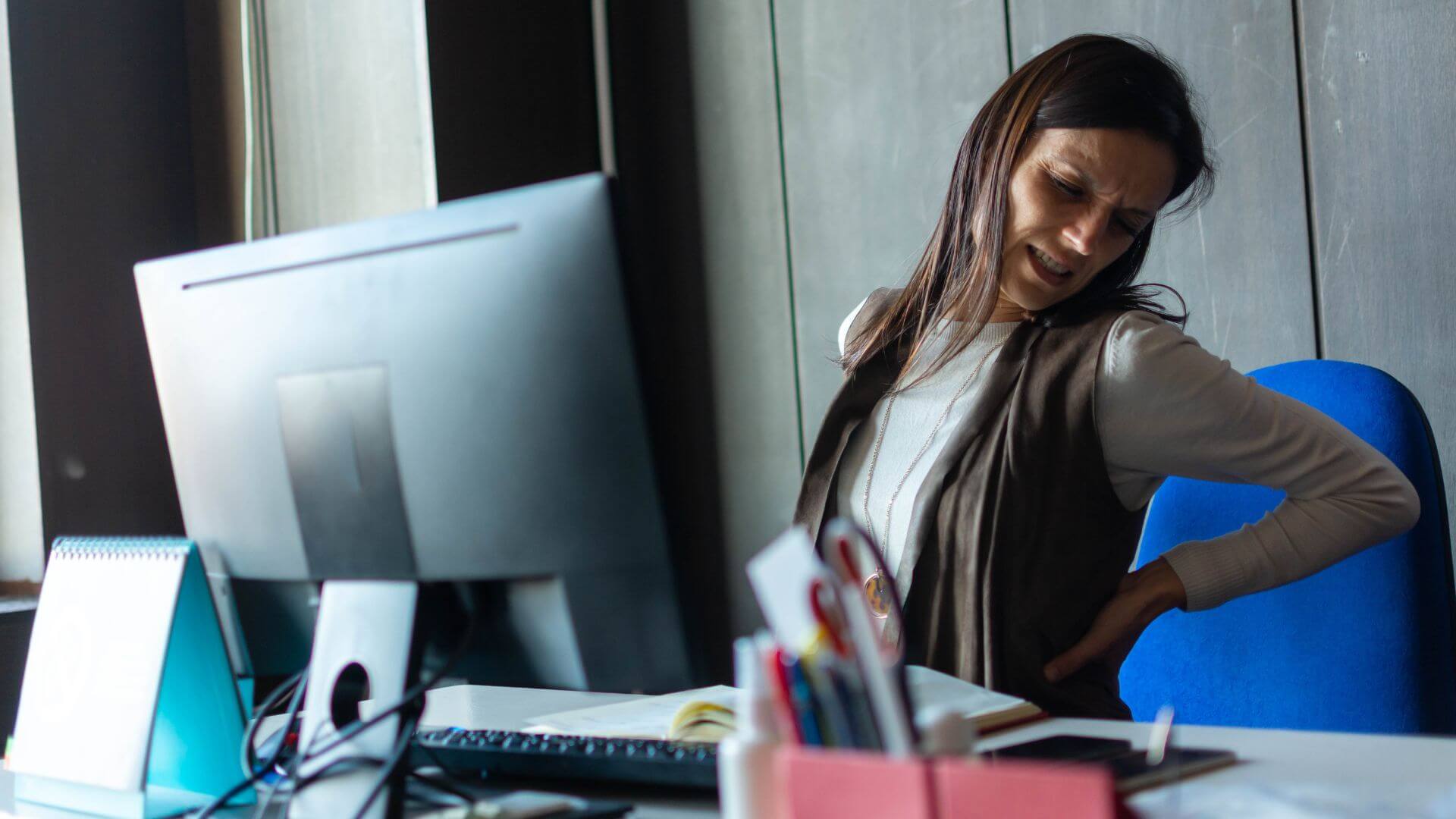
Sitting All Day? Here's Why Your Back Hurts and How to Fix It
Office workers and remote employees: prolonged sitting compresses your discs and weakens stabilizer muscles. Understand the biomechanics of desk posture and the simple desk setup changes that cut back pain in half.
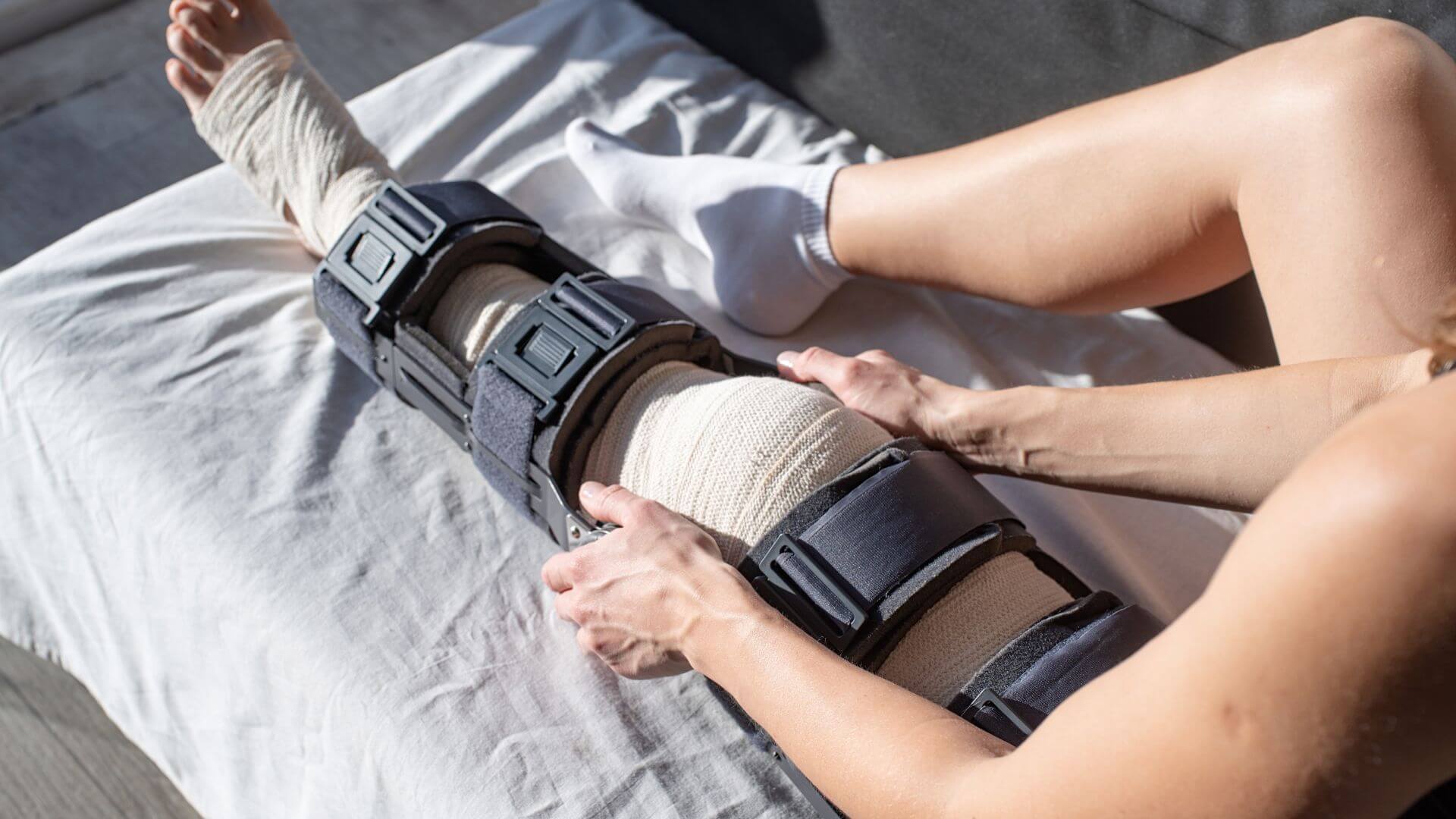
The First 6 Weeks After Knee Surgery: What to Expect in Rehab
Confusion after surgery delays recovery. We walk through the first 6 weeks of ACL, meniscus or knee replacement recovery: what exercises to do, swelling management, when to weight-bear, and realistic milestones week-by-week.
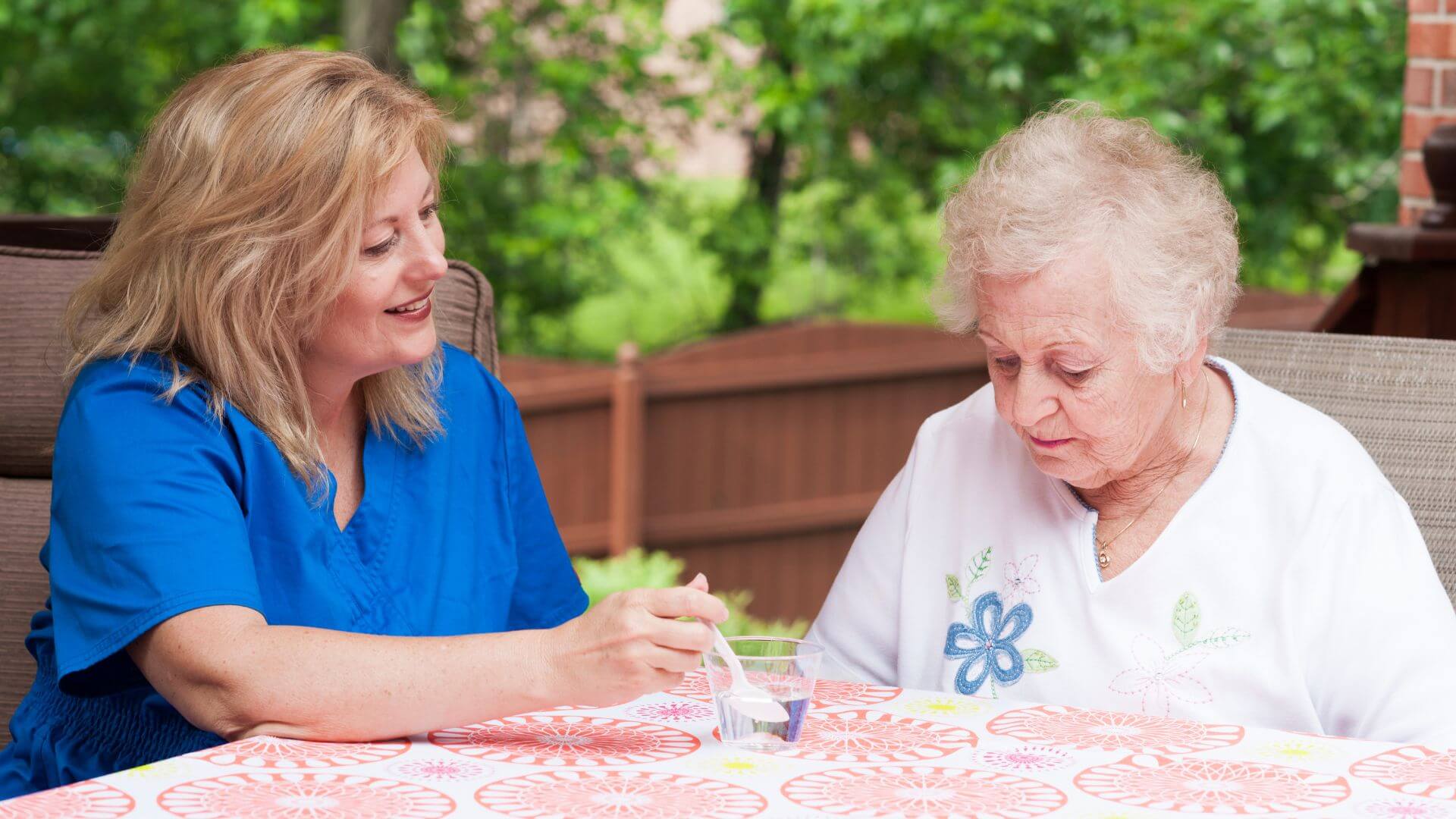
Recovery After Stroke: The Crucial Role of Early Physiotherapy
The brain's neuroplasticity is highest in the first 3 months after stroke — this is the window for the most effective recovery. Learn why early, intensive physiotherapy rewires the brain and restores movement better than delayed rehabilitation.